

Sometimes the Right Advice
Is “Not Yet”
Recently, I found myself saying no to a potential client.
Not because there was a value misalignment. In fact, the CEO was thoughtful, committed and genuinely looking for support. We had several conversations, but something didn’t quite sit right. I couldn’t put my finger on it until I asked the right question.
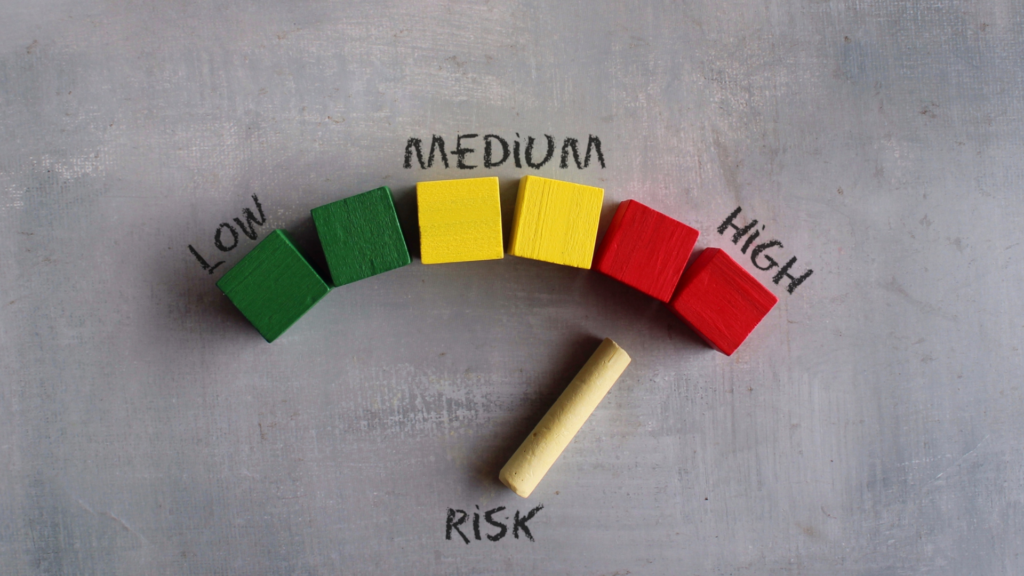
When Risk Tolerance Is a Lever.
Are You Using It?
There is a relationship between risk and innovation that doesn’t get talked about nearly enough in leadership circles. It’s not complicated. But it is consequential.
Think of it this way: risk tolerance and innovation move in the same direction. Low tolerance, low innovation and impact. Higher tolerance, higher innovation and impact. They are directly connected – like treats at the dog park. You always get what you signal.

When Advisory Boards Fail
Designing Advisory for Leadership, Not Just Governance
A practical lens on clarity, timing and independence — and how advisory, when designed well, strengthens leadership thinking in complex environments

IS GOVERNANCE BROKEN?
We hear the phrase “broken system” here in Australia and over the last 12 months it’s come up a lot. The context of a broken system can be connected to:
Australia’s migration system, Aged Care, Child Care, Hospitals, Education. To name just a few with so many sectors under strain, it’s reasonable to be asking a deeper question:
Is governance broken; or are we seeing the limits of how governance is currently being practiced?

Trust, Advisory Boards, and Why Best Practice Matters More Than Ever
Trust is one of those talked about yet least examined foundations of governance and advisory work.
It doesn’t appear on the balance sheet.
It isn’t listed in role descriptions.
Yet its presence (or absence) is felt in every decision, every conversation, and every moment of uncertainty.

From Experience to Foresight
For years, advisory and especially governance boards have been valued for the experience their members bring to the table. Industry expertise. Long careers. Impressive titles. Achievements earned over decades. These were the markers of credibility.
But the world has changed, and continues to change, at a pace that makes past experience alone no longer enough.

The Value of Diverse Perspectives
in Business Advisory
As business leaders, we all seek advice at some point whether from trusted friends, professional advisors, or independent advisory boards. Advice can be a lifeline when decisions feel heavy, complex, or isolating.

Pressure to Deliver on
Both Purpose and Profit
What happens when you’re leading a company and being judged on a double bottom line: mission + money?

Leadership and
Decision-Making Isolation:
Leaders consult, collaborate, and involve others. But when it comes to the final decision, accountability rests on their shoulders. This quiet gap between the shared journey of consultation and the solitary moment of responsibility is what I call Decision-Making Isolation.